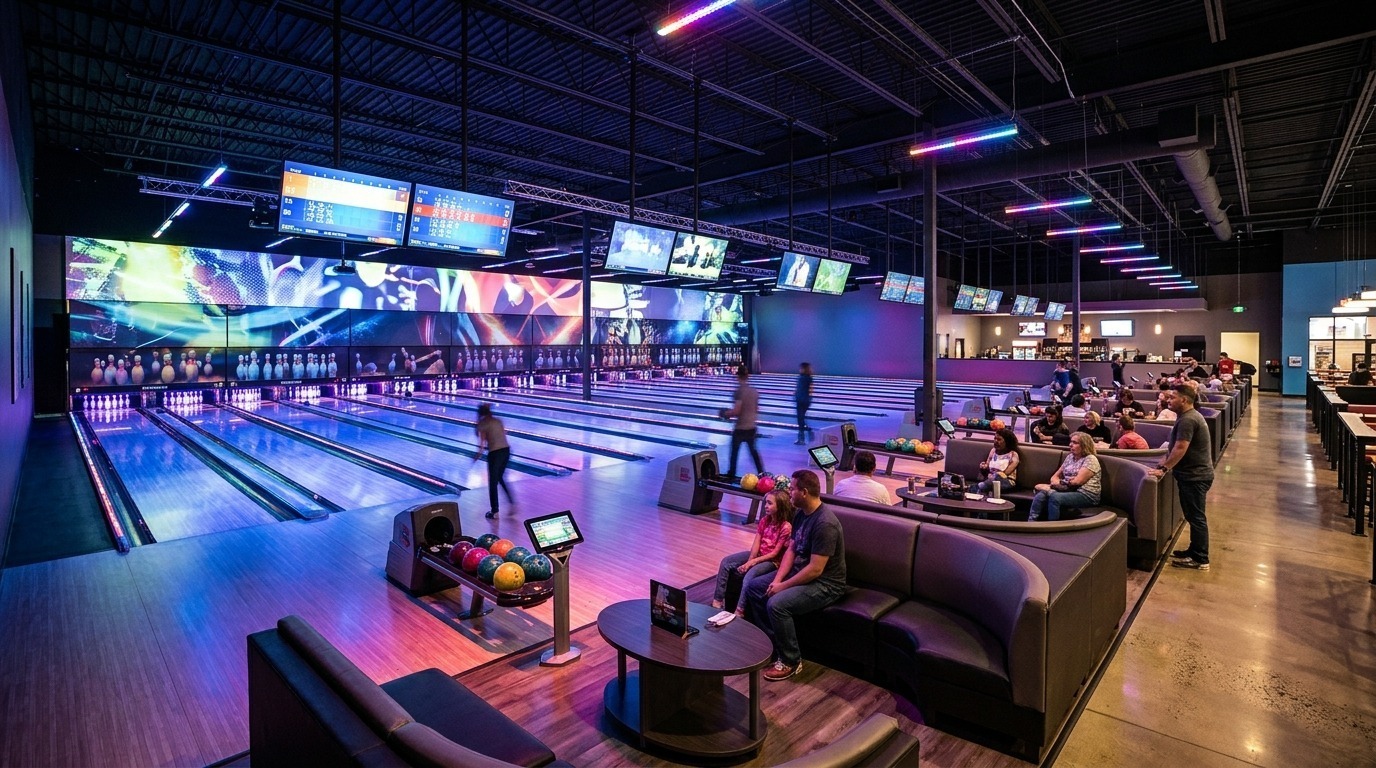
The cost to build a bowling alley in 2026 typically runs from about $2 million to $11 million for a commercial center, depending mostly on lane count and how much entertainment is built around the lanes. A common mid-market project, such as a 12-lane center with a modest bar and snack area, lands around $4 million to $4.5 million before land. That works out to roughly $240,000 to $470,000 per lane when you spread the whole building across the lanes, or about $250 to $470 per square foot all-in.
Those numbers move a lot. Building size, structural and acoustic requirements, equipment tier, food and beverage scope, local labor markets, and site conditions all push the total up or down. This guide breaks the budget into building, equipment, installation, and soft costs, shows worked examples for 8-, 12-, and 24-lane projects, and explains how to read a contractor’s bid. It also covers home lanes and renovations.
One caution up front: published bowling alley pricing is thin and inconsistent. Some sources quote $45,000 to $65,000 per lane, others $150,000 to $500,000. The gap usually comes from what is counted. Equipment-only figures and whole-building figures get compared as if they were the same thing. The ranges below keep those scopes separate, and every figure is a planning-level estimate, not a contractor quote.
How Much Does It Cost to Build a Bowling Alley in 2026?
For a new, ground-up commercial center in the U.S., a reasonable planning range is:
- Low end: about $2.0 million for a small 8-lane center with simple finishes
- Typical: about $3.0 million to $5.7 million for 12 lanes, depending on finish level
- High end: $10 million or more for a 24-lane entertainment venue with a full kitchen, bar, arcade, and event space
What these ranges assume:
- Ground-up construction on a developable site
- Land purchase excluded
- New automatic pinsetters, automatic scoring, and standard lane surfaces
- Roughly 1,000 square feet of building per lane (a common planning rule for centers with seating, restrooms, mechanical space, and guest amenities)
- Design fees, permits, and a contingency included as soft costs
- Food service equipment, liquor licensing, and opening inventory handled separately
| Project Type | Typical Specification | Planning Cost Range (excl. land) |
| Home lane (single) | Full-length lane, pinsetter, scoring, dedicated room | 50,000–150,000+ |
| 8-lane center | ~8,000 sq. ft., standard equipment, light F&B | 2.0M–3.8M |
| 12-lane center | ~12,000 sq. ft., standard equipment, bar and snack area | 3.0M–5.7M |
| 24-lane center | ~24,000 sq. ft., full entertainment build-out | 5.7M–10.6M |
| Renovation of existing center | New scoring, surfacing, refurbished or new pinsetters | 30,000–100,000 per lane (equipment-driven scope only) |
Industry guidance on startup budgets points the same direction. Operator-focused guides put a modest 8- to 12-lane facility in the $2.5 million to $5 million range once land or build-out, equipment, and soft costs are all counted. That lines up with the examples later in this article.
What Does It Cost Per Lane to Build a Bowling Alley?
Bowling alley cost per lane depends on what the number includes. There are three different “per lane” figures in circulation:
| What the Number Includes | Typical Range per Lane |
| Equipment only, refurbished (lane, pinsetter, scoring, ball return) | 15,000–40,000 |
| Equipment only, new, standard package | 40,000–80,000 |
| Equipment only, new, premium or entertainment package | 80,000–120,000 (planning allowance) |
| Whole project, new build, building divided by lanes | 240,000–470,000 |
The equipment-only figures are consistent with operator guidance that puts new all-in lane equipment at roughly $40,000 to $80,000 per lane and refurbished equipment at $15,000 to $40,000. The premium tier is an estimator’s allowance for high-end scoring, lighting, and furniture; get vendor quotes before relying on it.
The whole-project figure is the one that matters to a developer. A lane is a small part of the cost. The building around it is most of the bill.
Per-lane cost also tends to fall as lane count rises. A 24-lane center spreads fixed costs, like the entry lobby, mechanical room, restrooms, and design fees, across more lanes. In the examples below, the 24-lane project comes out around $237,000 to $440,000 per lane, compared with about $252,000 to $472,000 for the 8- and 12-lane projects.
What Does Bowling Alley Construction Cost Per Square Foot?
Bowling alley construction cost per square foot depends on whether you count only the building or the building plus equipment.
General commercial construction is often cited at roughly $100 to $300 per square foot. A bowling center usually lands in the upper half of that range or above, because it needs long clear spans, a heavy and precisely level lane substructure, pinsetter pits, strong acoustic control, and large mechanical loads.
| Level | Building Only (shell + interior), per sq. ft. | What You Get |
| Basic | 175–210 | Simple shell, durable finishes, minimal F&B |
| Typical | 210–260 | Better acoustics and lighting, bar or snack area, decent restrooms |
| Premium / entertainment | 260–350+ | Full kitchen, bar, event rooms, arcade, upscale finishes |
Included in these figures: structure, envelope, lane substructure and pits, interior build-out, mechanical, electrical, plumbing, fire protection, and general contractor overhead and profit.
Excluded: land, lane equipment, scoring, furniture, kitchen equipment, signage, and owner soft costs.
Two contractors can quote different per-square-foot numbers for the same plans. One may include the lane pits and bowling substructure in the building price. The other may carry them as a separate bowling subcontract. Always ask what sits inside the number before comparing.
What Is the Cost Breakdown?
For a typical mid-range 12-lane build, the budget breaks down roughly like this:
| Cost Component | Typical Share |
| Building (shell, interior, MEP, site-related building work) | 60–70% |
| Lane equipment (lanes, pinsetters, scoring, ball returns, seating) | 14–20% |
| Equipment installation and commissioning | 3–5% |
| Design, permits, fees, and contingency | 10–15% |
Using mid-range numbers for 12 lanes: building at $237.50 per sq. ft. × 12,000 sq. ft. = $2,850,000. Equipment at $60,000 × 12 = $720,000. Installation at $15,000 × 12 = $180,000. That is 3,750,000beforesoftcosts.Add15%(562,500) and the total is about $4,312,500. Building is about 66% of that, equipment about 17%, installation about 4%, and soft costs about 13%.
Why the building takes the biggest share: a bowling alley is a large, tall, open assembly space with heavy mechanical and acoustic demands. Buyers often focus on pinsetters and scoring systems because they are the visible, specialized items, but the building is usually where the budget is won or lost.
Material Costs
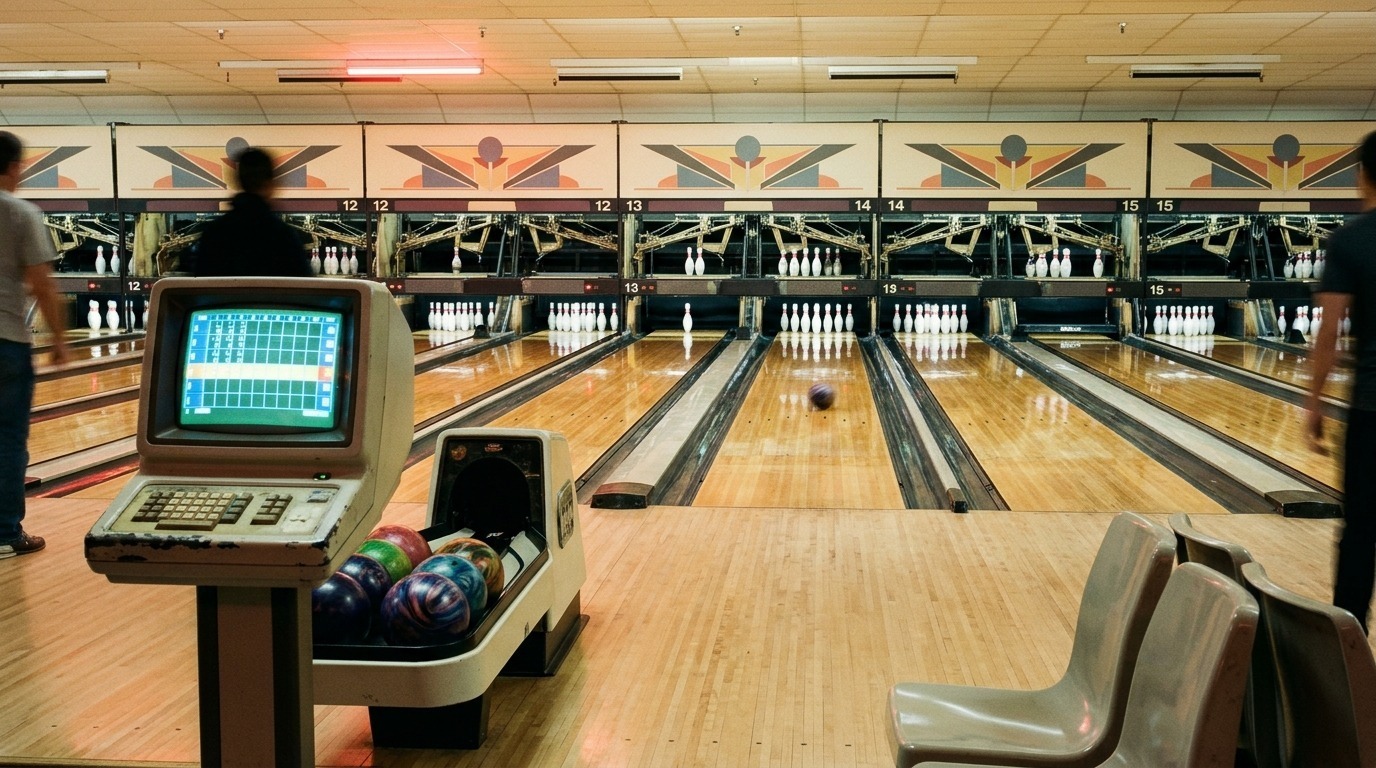
Material pricing in a bowling project falls into two groups: the building and the bowling-specific systems. Building materials follow normal commercial pricing. Bowling-specific items come from a small number of specialty manufacturers and are quoted as packages.
| Item | Unit | What Drives the Price |
| Structural steel or long-span framing | Per sq. ft. of building | Span, clear height, local steel pricing |
| Lane bed (synthetic or wood) | Per lane | Surface type, manufacturer, warranty |
| Pinsetter | Per lane | New vs. refurbished, brand and model |
| Scoring system and displays | Per lane or per bank | Basic vs. networked, screen quality |
| Ball returns, gutters, approach | Per lane | Standard vs. upgraded finishes |
| Acoustic ceiling and wall treatment | Per sq. ft. | Target noise levels, architectural finish |
| Lane furniture and seating | Per lane | Durability, custom vs. stock |
Equipment is where standard vs. premium shows up fastest. A standard new package is commonly $40,000 to $80,000 per lane. Moving to higher-end scoring graphics, themed lighting, and custom seating can add tens of thousands of dollars per lane across a 12-lane center, which is easily a six-figure difference.
Quantities to remember when you budget: a standard lane is about 41.5 inches wide, and the distance from the foul line to the head pin is 60 feet. The full lane, approach, and pit run well over 75 feet front to back. That geometry is what drives building depth and structural layout.
Labor Costs
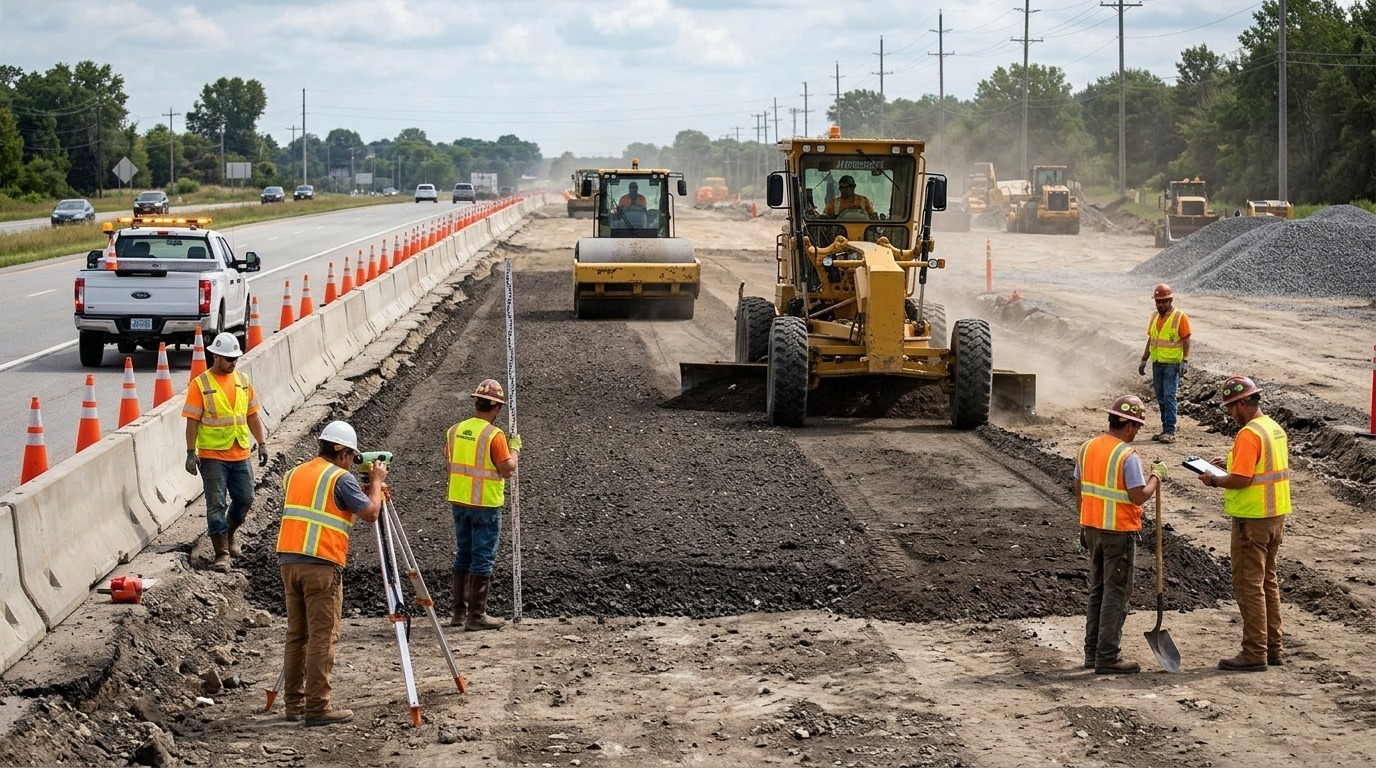
Labor in a bowling center splits into two very different pools: general construction trades building the shell and interior, and specialized installers setting lanes, pinsetters, and scoring.
For most commercial projects, labor makes up roughly 35% to 45% of the construction cost, with the rest going to materials, equipment, and subcontractor markup. That is a rule of thumb from estimating practice, and it shifts with market conditions.
When reading labor numbers, separate three things:
- Worker wage: what the tradesperson earns per hour
- Payroll burden: taxes, insurance, benefits, and workers’ comp added on top (often 25% to 40% of wage)
- Contractor billing rate: wage plus burden plus overhead and profit, which is what shows up in a bid
For example, a skilled electrician earning $40 an hour with a 30% burden costs the contractor $52 an hour. After overhead and profit, the contractor’s billing rate could land closer to $65 to $75 an hour. Published crew billing rates for lane installation work often fall in the $60 to $120 per hour range.
What increases labor:
- Lane installation is precision work. Leveling and alignment errors cause problems for the life of the lanes.
- Pinsetter installation needs electricians and mechanical technicians.
- Union or prevailing-wage markets raise rates.
- Tight schedules push overtime.
- Retrofits in older buildings take more hours than clean new construction.
Specialized lane installation is often handled by the equipment supplier’s crew or a certified installer, so it appears as a separate subcontract line. Installation commonly runs $8,000 to $25,000 per lane depending on scope, site readiness, and whether pits and utilities are already in place.
Site Preparation Costs
Land is excluded from every figure in this guide, but site preparation is not, and it can change a budget by hundreds of thousands of dollars.
A bowling center is large and heavy, so the site matters:
- Grading and excavation: sloped or uneven lots cost more to bring to a buildable pad.
- Soil conditions: poor soils may need over-excavation, imported fill, or deeper footings. Pinsetter pits and the lane bed need a stable, level substructure, so differential settlement is a real risk.
- Parking and drainage: a 12,000 sq. ft. center often needs substantial parking, along with stormwater management.
- Demolition: if you are replacing an old structure, add demolition and disposal.
- Utilities: large electrical service, water and sewer capacity for restrooms and food service, and possibly gas.
- Access: tight sites, limited staging areas, or restricted hours increase labor and equipment costs.
Two projects with identical floor plans can differ by 15% to 25% in total cost just from the lot. That is why a site visit and geotechnical report belong in the budget before you finalize one.
What Does a Bowling Alley Cost by Size?
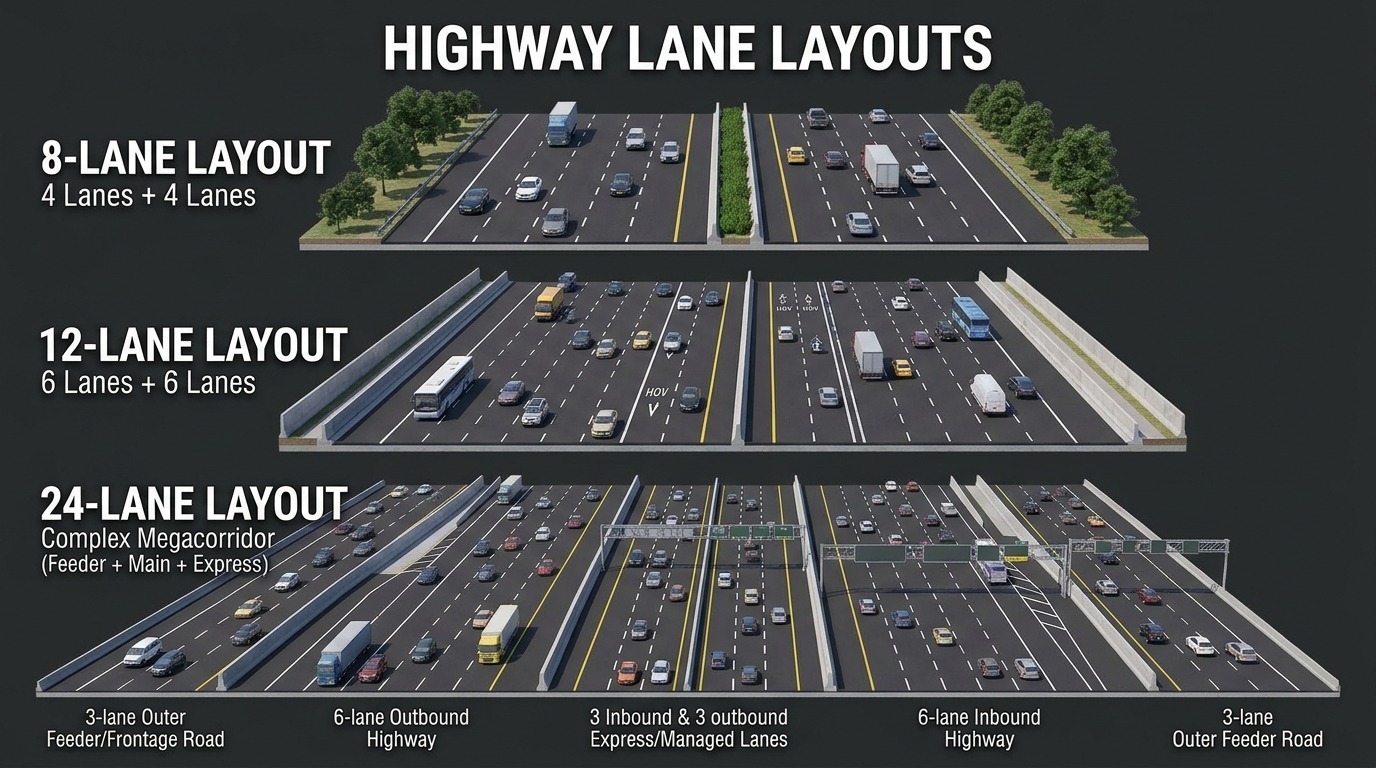
Here are worked examples for 8-, 12-, and 24-lane projects. They use different assumptions at each size to reflect economies of scale, not one flat multiplier.
Assumptions:
- 8-lane and 12-lane: building at 175–300 per sq. ft., equipment at 40,000–80,000 per lane, installation at 10,000–20,000 per lane, soft costs and contingency at 12% (low) to 18% (high)
- 24-lane: building at 165–280 per sq. ft., equipment at 38,000–75,000 per lane, installation at 9,000–18,000 per lane, same soft cost range
8-lane bowling alley cost (8,000 sq. ft.)
- Building: 8,000 × $175 = $1,400,000 to 8,000 × $300 = $2,400,000
- Equipment: 8 × $40,000 = $320,000 to 8 × $80,000 = $640,000
- Installation: 8 × $10,000 = $80,000 to 8 × $20,000 = $160,000
- Subtotal: $1,800,000 to $3,200,000
- Soft costs: 12% of low (216,000)to18%ofhigh(576,000)
- Total: about $2,016,000 to $3,776,000 (roughly $252,000 to $472,000 per lane)
12-lane bowling alley cost (12,000 sq. ft.)
- Building: 12,000 × $175 = $2,100,000 to 12,000 × $300 = $3,600,000
- Equipment: 12 × $40,000 = $480,000 to 12 × $80,000 = $960,000
- Installation: 12 × $10,000 = $120,000 to 12 × $20,000 = $240,000
- Subtotal: $2,700,000 to $4,800,000
- Soft costs: 12% of low (324,000)to18%ofhigh(864,000)
- Total: about $3,024,000 to $5,664,000 (roughly $252,000 to $472,000 per lane)
24-lane bowling alley cost (24,000 sq. ft.)
- Building: 24,000 × $165 = $3,960,000 to 24,000 × $280 = $6,720,000
- Equipment: 24 × $38,000 = $912,000 to 24 × $75,000 = $1,800,000
- Installation: 24 × $9,000 = $216,000 to 24 × $18,000 = $432,000
- Subtotal: $5,088,000 to $8,952,000
- Soft costs: 12% of low (610,560)to18%ofhigh(1,611,360)
- Total: about $5,698,560 to $10,563,360 (roughly $237,000 to $440,000 per lane)
| Size | Building Area | Typical Use | Estimated Cost (excl. land) |
| 8 lanes | ~8,000 sq. ft. | Neighborhood center, league-focused | 2.0M–3.8M |
| 12 lanes | ~12,000 sq. ft. | Family center with bar and snacks | 3.0M–5.7M |
| 24 lanes | ~24,000 sq. ft. | Regional center or entertainment venue | 5.7M–10.6M |
These totals assume a standard bowling-focused program. Add a full-service restaurant, arcade, bowling-adjacent entertainment, or event space and the top end rises quickly, since those areas cost as much per square foot as any other commercial restaurant or entertainment build-out.
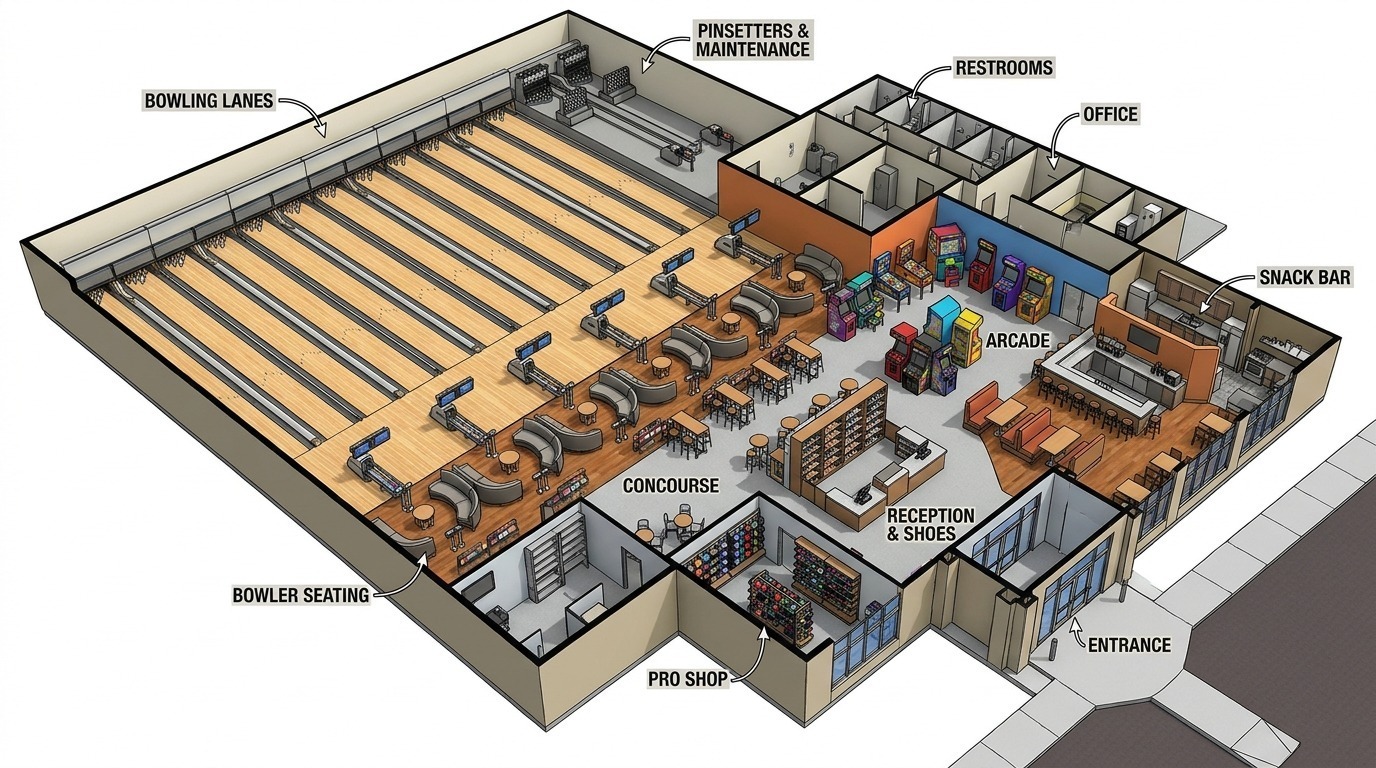
Square footage planning varies by source. The bowling floor itself needs only about 250 to 400 square feet per lane, but once you add the entry, shoe counter, seating, bar, restrooms, mechanical rooms, and storage, 800 to 1,500 square feet per lane is a more realistic range. Some centers that include large food and entertainment areas go well beyond that.
How Do Equipment and Specifications Affect Cost?
Specification choices change the total more than most buyers expect.
| Specification | Lower-Cost Option | Higher-Cost Option | Cost Impact |
| Equipment condition | Refurbished (15K–40K/lane) | New (40K–80K+/lane) | Tens of thousands per lane |
| Lane surface | Synthetic standard | Wood or premium synthetic | Moderate per lane |
| Scoring system | Basic automatic scoring | Networked, high-end graphics, bumpers, analytics | Moderate to significant |
| Pinsetter type | Refurbished or older model | New model with warranty | Significant |
| Acoustics | Basic ceiling treatment | Engineered noise control | Moderate; matters most near neighbors |
| Finishes | Durable, simple | Themed lighting, custom seating, feature walls | Wide range |
| F&B program | Snack counter | Full kitchen and bar | Major |
Equipment condition is the biggest single lever. Buying refurbished pinsetters and lane components can save well over $20,000 per lane. The tradeoff is service history, parts availability, and warranty coverage. Over a 12-lane project, the savings can run into the hundreds of thousands, but maintenance budgets should be higher.
Lane count also matters for the building: more lanes means more square footage, which means more structure, more roof, more HVAC.
Ceiling height and mechanical systems affect cost too. A large open room needs fire protection and ventilation sized for assembly occupancy. Bowling centers are commonly classified as Assembly use (A-3 under the International Building Code), but confirm classification and requirements with your local building department.
What Are the Different Types of Bowling Alley Projects and Their Costs?
| Type | Typical Use | Cost Range | Main Cost Driver |
| New ground-up center | Traditional bowling center | 240K–470K per lane (all-in) | Building size and finish level |
| Entertainment venue | Bowling + bar, restaurant, arcade | Top of the range or above | F&B and entertainment build-out |
| Conversion of existing building | Retail or warehouse turned into a center | Can be well below ground-up if the shell is suitable | Structural and utility upgrades |
| Renovation of existing center | New scoring, surfacing, pinsetters | 30K–100K per lane (equipment-driven) | Equipment tier and building condition |
| Boutique / residential | Private lane in a home | 50K–150K+ per lane | Room size and equipment source |
Is it cheaper to build new or renovate? Usually renovation, if you can find a suitable building. One operator guide says renovating a closed center can cost 40% to 60% less than a ground-up build. That depends on the building’s condition. Old centers can hide structural problems, outdated electrical, failing roofs, and code upgrades that eat into the savings.
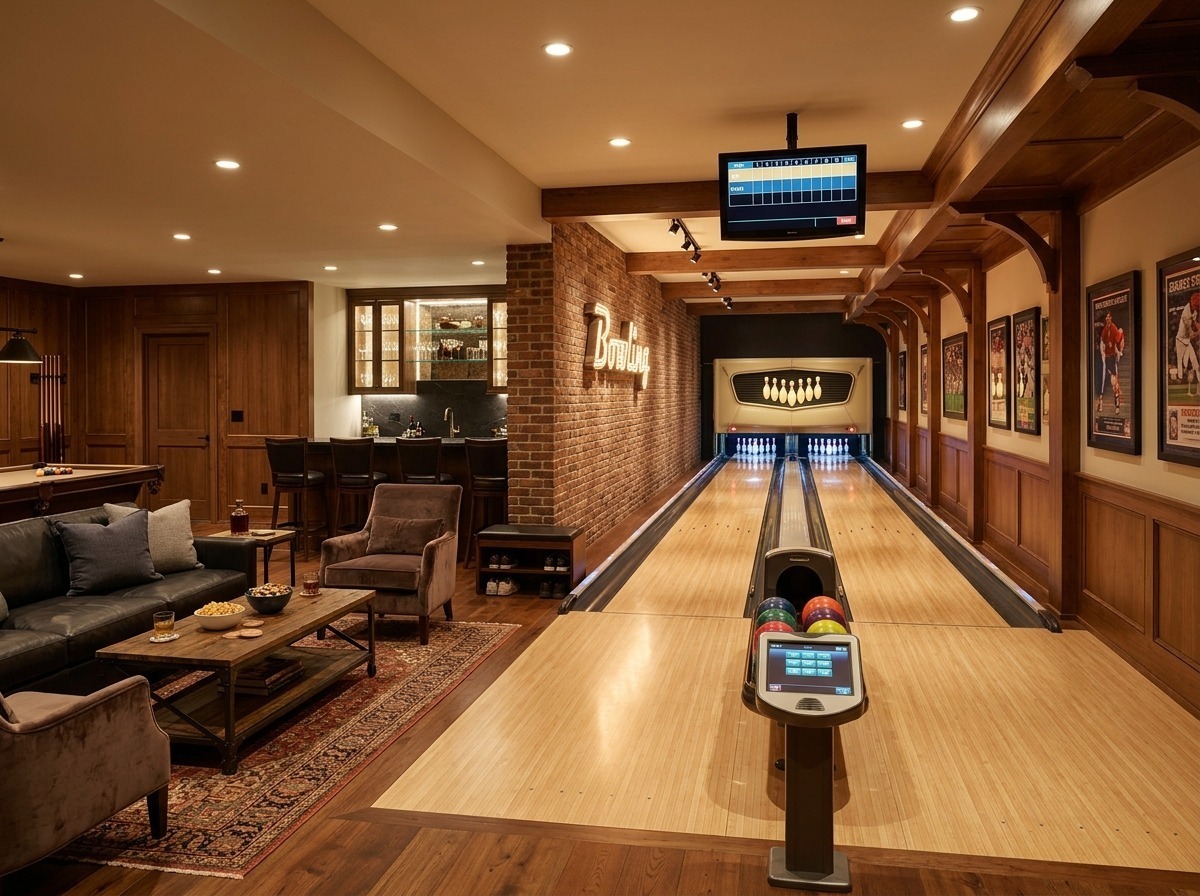
Home bowling alley cost. A residential lane is a very different project. You need a room roughly 80 feet long or more for a full-length lane, which usually means a new addition or a dedicated building. Planning-level budgets for a single full-length lane run from about $50,000 to $150,000 or more, covering equipment (often used or refurbished), installation, and basic room prep. The room itself often costs more than the lane. Shorter or compact lane concepts exist and cost less, but they are not regulation lanes.
How Much Does a Bowling Alley Cost in Different U.S. Regions?
No published source gives a reliable region-by-region price for bowling alley construction, so this article does not invent one. What can be said is why prices differ and which direction they tend to push.
| Region | General Direction | Why |
| California, New York, New England metro areas | Higher | High labor rates, strict permitting, expensive land and utilities |
| Pacific Northwest | Higher to moderate | Strong construction demand, seismic and energy requirements |
| Northeast (outside major metros) | Moderate to higher | Cold-climate envelope requirements, union markets in some areas |
| Texas, Southeast | Moderate to lower | Lower labor rates and land costs, but hurricane and wind design in coastal areas |
| Midwest | Moderate | Generally near the national mean, with equipment and build-out balanced |
| Mountain West | Moderate | Snow loads, remote delivery, and tight labor markets in growth areas |
One source puts a 10-lane project at roughly $1.5 million in a value market and $2.6 million in a dense metro with premium equipment. That is a useful illustration of the spread, but treat it as one data point.
For a defensible local number, use a regional cost index such as RSMeans city cost indexes or a local estimator’s recent bid history, and apply it to a national base figure.
What Are the Hidden Costs of Building a Bowling Alley?
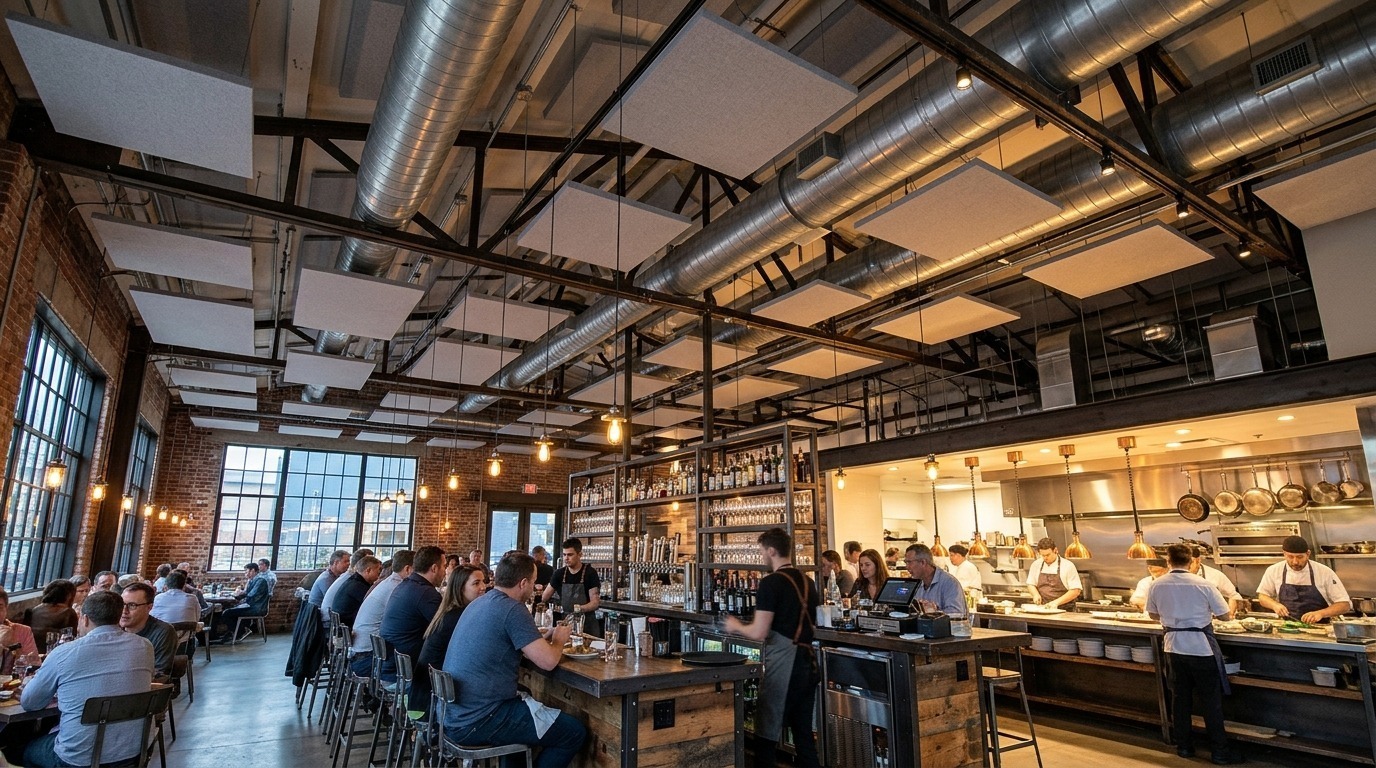
These items catch first-time owners most often:
- Land and site acquisition. Excluded from everything above. A 12,000 sq. ft. building plus parking can need several acres.
- Utilities and impact fees. Large electrical service, water and sewer tap fees, and municipal impact fees can reach into the six figures in some jurisdictions.
- Acoustic treatment. Pinsetters and falling pins are loud. If you are near residences, noise control gets expensive.
- HVAC for a large open volume. Heat from equipment, people, and kitchens needs serious mechanical capacity.
- Fire sprinklers and life safety. Assembly occupancy has strict requirements.
- ADA compliance. Accessible routes, restrooms, seating, and lane access must meet the federal ADA standards and local code.
- Food and beverage equipment. Kitchen hoods, refrigeration, and bar build-out are priced separately from bowling equipment.
- Liquor license. Fees and legal costs vary widely by state; in some states licenses themselves are costly or limited in number.
- Opening inventory. Bowling balls, rental shoes, and supplies can run from about $5,000 to $70,000 depending on scale.
- POS, reservations, and IT. Entertainment centers typically need point-of-sale, reservation, and network systems.
- Signage and landscaping. Often left out of early budgets.
- Financing costs and delays. A 9- to 12-month build for 8 lanes, or 12 to 20 months for larger projects, adds interest and carrying costs. Permitting can extend that.
- Contingency. Carry 10% to 15% on new builds and more on renovations of older buildings.
Permits typically needed: zoning or conditional use approval, building permit, mechanical, electrical, and plumbing permits, fire marshal review, health department approval for food service, and a liquor license if applicable. Requirements vary by city and county, so confirm with your local building department early.
What Should a Professional Bowling Alley Construction Estimate Include?
A usable estimate is itemized. Look for these lines:
- Site work (clearing, grading, utilities, paving, drainage, landscaping)
- Foundations, slab, and lane substructure, including pinsetter pits
- Structural frame and roof
- Exterior envelope (walls, roofing, glazing, doors)
- Interior finishes (flooring, ceilings, acoustic treatment, millwork)
- Mechanical (HVAC, ventilation), plumbing, and electrical, including lane power and data
- Fire protection and life safety
- Lane equipment: lane beds, pinsetters, scoring, ball returns, gutters, approach, furniture
- Equipment delivery, installation, and commissioning
- Food and beverage build-out, if included
- Quantities and units for every major line, with unit costs
- Material, labor, and equipment separated where possible
- Subcontractor costs
- Permits, fees, and testing
- General conditions, overhead, and profit
- Contingency or allowances, clearly labeled
- Exclusions and assumptions in writing
Why itemized beats lump sum: a single number tells you nothing about what is in it. An itemized estimate lets you see where the money goes, compare bids fairly, spot missing scope, and make value-engineering choices. Swapping a premium scoring package for a standard one, for instance, shows up as a line-item change you can price.
How Do You Compare Two Bowling Alley Construction Bids?
Two bids for the same plans can differ by hundreds of thousands of dollars for legitimate reasons. Before deciding one is better, check:
| Item to Verify | What to Ask |
| Scope | Does the price include pits, lane substructure, and utilities to the lane area? |
| Equipment | New or refurbished? Which brand and model? Warranty terms? |
| Quantities | Do both bids use the same square footage and lane count? |
| Labor assumptions | Union or open shop? Local crews or traveling installers? |
| Site work | Is grading, paving, and utility extension included? |
| Acoustics and MEP | Same noise and HVAC performance targets? |
| Allowances | Which items are allowances, and are they realistic? |
| Exclusions | What is left out (permits, fees, furniture, F&B equipment)? |
| Overhead and profit | Shown as a line or buried in unit prices? |
| Warranty and service | Who services the equipment after opening? |
| Schedule | Realistic duration, and who carries delay risk? |
A low bid is not automatically a good deal, and it is not automatically a trap. Often the gap comes from a missing scope item, a different equipment tier, or an optimistic allowance. A high bid may include contingency or higher-quality equipment. The question is always: what exactly does this price cover?
Quick bid check example: if Bid A for a 12-lane center is $3.6 million and Bid B is $4.4 million, the $800,000 gap is about $66,667 per lane. Line up the equipment package, site work, and exclusions. If Bid A leaves out $300,000 of site utilities and uses refurbished pinsetters worth roughly $25,000 less per lane (12 × $25,000 = $300,000), most of the gap is explained before you question anyone’s pricing.
When Does a Professional Construction Estimate Help?
Bowling projects mix standard commercial construction with specialty equipment, and the budget moves a lot with early decisions. A professional estimate helps contractors, builders, developers, subcontractors, and owners understand:
- Material quantities and takeoffs for the building and site
- Labor requirements and crew durations
- Equipment and installation scope
- Overall project scope and where the gaps are
- A line-by-line cost breakdown
- Bid preparation and comparison
- Cost gaps before they become change orders
- The real budget required to reach opening day
Need a detailed estimate for your upcoming project? 1st Estimator provides professional construction estimating and quantity takeoff services for residential, commercial, and industrial projects.
FAQs
How much does it cost to build a bowling alley in 2026?
A new commercial center typically runs about $2 million to $11 million excluding land. An 8-lane center is roughly 2.0M–3.8M, a 12-lane center 3.0M–5.7M, and a 24-lane center 5.7M–10.6M, depending on finish level and amenities.
How much does it cost to build one bowling lane?
Equipment for one new commercial lane is commonly $40,000 to $80,000, with installation often adding $8,000 to $25,000. Spread across the full building, the all-in figure per lane for a new center is about $240,000 to $470,000.
How much does a 12-lane bowling alley cost? Roughly $3.0 million to $5.7 million before land, based on about 12,000 sq. ft. at 175–300 per sq. ft., plus equipment, installation, and soft costs.
Is it cheaper to renovate an existing bowling alley?
Usually, yes. One operator guide puts renovation at 40% to 60% less than ground-up. Hidden structural, electrical, and code issues can narrow that gap, so inspect the building first.
What is the cheapest way to open a bowling alley?
Lease or buy an existing center or suitable building, use refurbished equipment (about 15,000–40,000 per lane), and phase in food, bar, and entertainment features later.
What makes bowling alley construction more expensive?
Building size, food and beverage scope, acoustic and mechanical requirements, difficult sites, premium scoring and finishes, high-cost labor markets, and long permit timelines.
How much does bowling alley equipment cost?
New standard equipment is about $40,000 to $80,000 per lane. Refurbished is about $15,000 to $40,000. Premium packages with high-end scoring and furniture can exceed that.
What permits are required to build a bowling alley?
Typically zoning or conditional use approval, building and trade permits, fire marshal review, health department approval for food service, and a liquor license if serving alcohol. Rules vary by jurisdiction.
How long does it take to build a bowling alley?
Plan on roughly 9 to 12 months for an 8-lane project and 12 to 20 months for larger ones, including design and permitting. Site readiness and equipment lead times affect this.
How do contractors estimate bowling alley costs?
They take off quantities for site work, structure, finishes, and mechanical, electrical, and plumbing systems, price bowling equipment from vendor quotes, add labor, subcontractor costs, overhead and profit, and carry a contingency.
How accurate are online cost estimates?
Use them as a starting point only. Published figures vary widely because they mix equipment-only and whole-project numbers. A site-specific takeoff and local bids are the only reliable basis for a budget.
How much should I budget for contingency?
For a new build, 10% to 15% is common. Renovations of older buildings often need more.