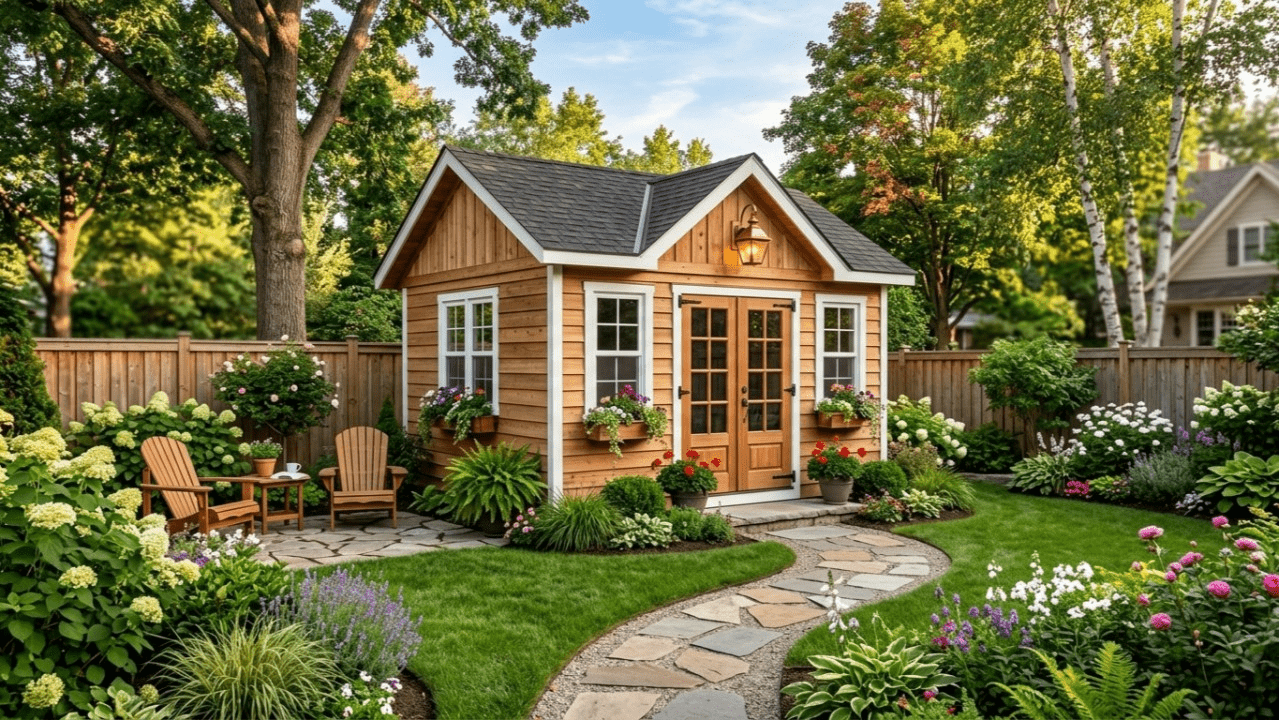
If you’re planning a backyard storage building, workshop, or garden studio, the first question is always the same: what will it cost? A 12×16 shed is one of the most popular sizes because it gives you 192 square feet of usable space without taking over your whole yard. But the shed cost can swing a lot depending on how you build it, where you live, and what you put inside.
This guide walks through real numbers, explains what pushes the price up or down, and shows you how to get an accurate estimate before you spend a dollar.
How Much Does a 12×16 Shed Cost?
Most people pay between $7,000 and $22,000 for a 12×16 shed. A basic DIY build with a gravel base and simple siding can come in around $4,000 to $8,000. A fully finished, contractor-built shed with a concrete slab, insulation, and electrical can go past $25,000.
Broken down per square foot, the 12×16 shed cost per square foot usually lands between $35 and $115. Cheaper builds sit at the low end, and finished spaces like home offices sit at the top.
Here’s a quick look at the common routes:
- DIY build: roughly $4,000 to $9,000, mostly materials
- Prefab or pre-built shed delivered: roughly $6,000 to $16,000
- Contractor-built custom shed: roughly $12,000 to $25,000+
The 12×16 shed price you see online is often just the shed itself. Delivery, site prep, foundation, permits, and electrical are commonly extra, so always ask what’s included.
What Factors Affect the Cost of a 12×16 Shed?

Two sheds with the same footprint can differ by ten thousand dollars. Here’s why.
Materials
Lumber, sheathing, roofing, and siding make up the biggest part of the budget. Pressure-treated wood costs more than standard framing lumber but lasts longer near the ground. Material prices also shift with the market, so a quote from six months ago may already be outdated.
Labor
If you hire a builder, labor can be 30% to 50% of the total. Skilled carpenters typically charge $40 to $100 per hour depending on your area. A 12×16 shed usually takes a small crew two to five days.
Foundation
Your foundation choice matters more than most people expect. A gravel pad is cheap. A concrete slab is durable but costs several times more.
Framing
Framing costs depend on lumber prices, wall height, and roof style. A taller wall or a loft adds more lumber and more labor.
Roofing
Asphalt shingles are the budget-friendly choice. Metal roofing costs more up front but lasts longer and sheds snow and rain well.
Siding
Options include T1-11 plywood, LP SmartSide, vinyl, and board and batten. Each has its own price and maintenance needs.
Doors and Windows
A basic single door is cheap. Double doors, roll-up doors, and insulated windows add up quickly.
Electrical
Adding lights and outlets means running power from your house, which can mean trenching, conduit, a subpanel, and an electrician.
Permits
Many areas require a permit for sheds over 120 square feet, which puts a 12×16 shed in permit territory in many places. Fees range from around $50 to a few hundred dollars, sometimes more.
Location
Labor rates, lumber prices, soil conditions, and building codes all change by region. A shed in a high-cost city can cost 20% to 40% more than the same shed in a rural area.
12×16 Shed Cost Breakdown

Here’s a realistic 12×16 shed construction cost estimate for a standard, professionally built shed. Treat these as planning ranges, not fixed quotes.

Electrical is not included in the table because many sheds don’t have it. If you want power, add roughly $500 to $3,000, depending on distance from the house.
Foundation costs
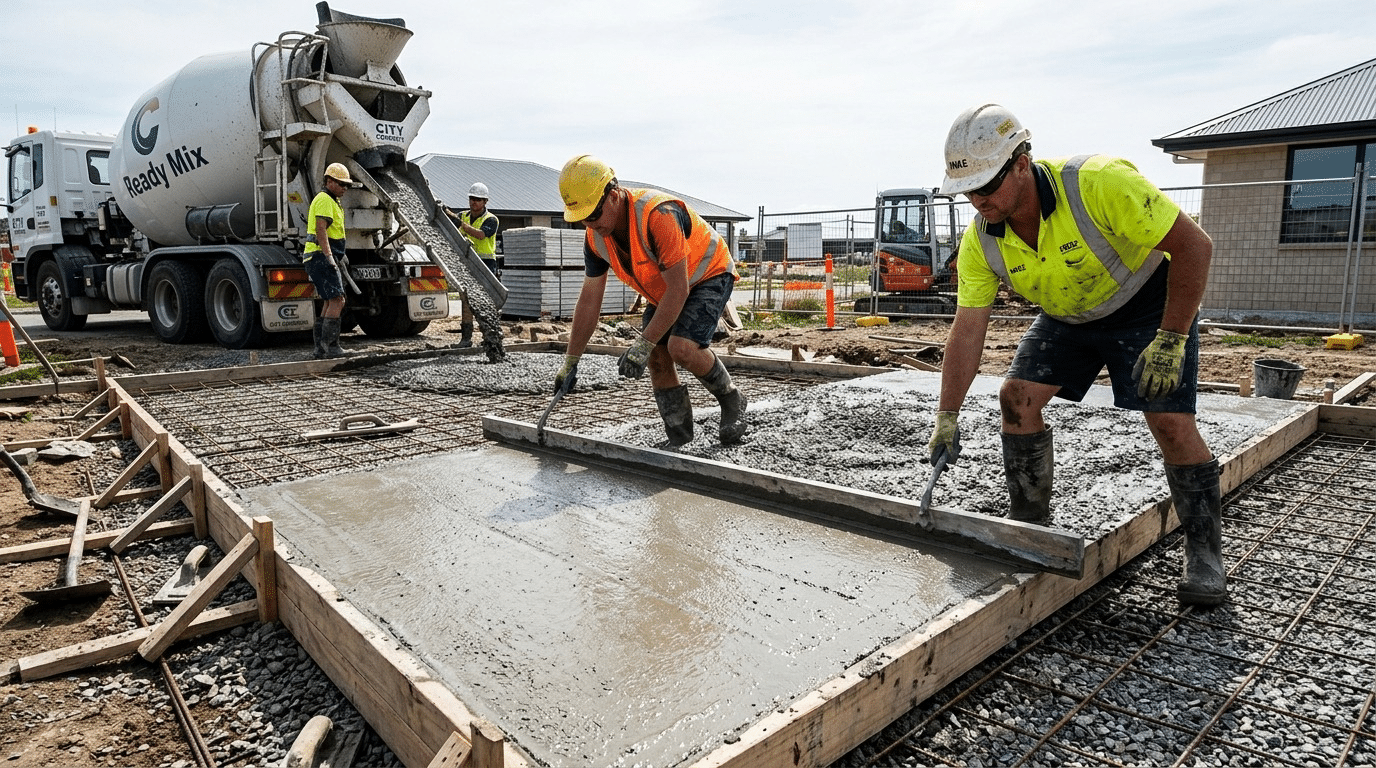
A gravel pad or skid foundation usually costs $500 to $1,500. It drains well and works for most storage sheds. The 12×16 shed concrete foundation cost is higher, typically $1,800 to $3,500 for a 4-inch slab, depending on your local concrete prices and how much site prep is needed. Concrete is worth it for workshops, heavy equipment storage, or sheds with a vehicle inside.
Framing costs
The 12×16 shed framing cost normally runs $1,500 to $3,000 for a standard build with 2×4 walls at 16 inches on center, floor joists, and rafters or trusses. Using 2×6 walls for insulation or adding a loft pushes this higher.
Roofing costs
Expect $800 to $2,000. Asphalt shingles sit near the bottom of that range, and standing-seam metal sits near the top. Don’t forget underlayment, drip edge, and ridge cap.
Siding costs
Siding for a shed this size generally costs $1,000 to $2,800. Basic plywood siding is cheapest, while fiber cement and cedar are at the higher end. Paint or stain is a small extra.
Electrical costs
A basic setup with a few outlets and lights often costs $500 to $1,500. If you need a trench, a subpanel, or heating and cooling, plan for $2,000 to $3,000 or more.
How Much Does Labor Cost to Build a 12×16 Shed?
Labor for a 12×16 shed usually runs $2,500 to $7,000, depending on your region and how complex the build is. A simple gable shed on a gravel base sits near the low end. A custom shed with a concrete slab, a loft, or custom windows sits near the top.
Here’s how labor is typically priced:
- Hourly: $40 to $100 per hour per worker
- Per square foot: roughly $12 to $35 per square foot of shed
- Flat bid: many contractors quote one price for the whole build
A few things can raise labor costs: difficult site access, a sloped yard, bad weather delays, or tearing out an old shed before the new one goes in.
If you have decent carpentry skills, building it yourself can cut the total shed cost by 30% to 50%. Just be honest about your time, your tools, and your comfort with roof work.
How Much Do Materials Cost for a 12×16 Shed?
The 12×16 shed material cost usually falls between $3,500 and $10,000. The wide range comes from the quality of materials and how many extras you add.
Here’s a simple 12×16 shed materials list for a standard build:
- Foundation: gravel and pressure-treated timbers, or concrete and rebar
- Floor: 2×6 joists and 3/4-inch plywood or OSB subfloor
- Walls: 2×4 studs, top and bottom plates, and sheathing
- Roof: rafters or trusses, roof sheathing, underlayment, shingles or metal panels
- Siding and trim: plywood or engineered siding, trim boards, and paint or stain
- Doors and windows: one or two doors, plus one or two windows
- Hardware: nails, screws, hurricane ties, hinges, latches, and flashing
- Optional: insulation, drywall, and electrical supplies
Rough material costs by category:
- Framing lumber and sheathing: $1,500 to $3,500
- Roofing materials: $600 to $1,800
- Siding and trim: $800 to $2,500
- Doors and windows: $400 to $1,800
- Hardware and fasteners: $150 to $400
Lumber prices change often, so it’s smart to get a current quote from your local supplier before you commit to a budget. Always add 10% for waste and mistakes. It’s much cheaper to plan for extra than to make an unplanned trip to the store.
How Do You Calculate the Cost of a 12×16 Shed?
You can build a decent estimate yourself with a simple step-by-step method.
Step 1: Start with the size. 12 feet by 16 feet is 192 square feet. Use that number to price everything that’s calculated by area, like flooring, siding, and roofing.
Step 2: List every component. Write out the foundation, floor, walls, roof, siding, doors, windows, trim, and any electrical or interior finishing.
Step 3: Price the materials. Use your local home center or lumber yard. Add up quantities for each item. Take your measurements from the plans, not guesswork.
Step 4: Add labor. If you’re hiring out, use a per-hour or per-square-foot rate from local quotes. If you’re building yourself, still count your time, especially if you’d otherwise be earning money in those hours.
Step 5: Add the “other” costs. This is where budgets fall apart. Include permits, delivery, dumpster rental, site prep, tool rental, paint, and sales tax.
Step 6: Add a contingency. Ten to fifteen percent is a good cushion. Something always comes up, like a bad patch of soil, a warped board, or a code requirement you missed.
Quick rule of thumb: Multiply 192 square feet by your expected cost per square foot. At $40 per square foot, that’s $7,680. At $75, it’s $14,400. At $100, it’s $19,200. It’s rough, but it helps you sanity check quotes.
For a more careful shed construction estimate, use a detailed takeoff. That’s a line-by-line count of every stud, sheet, and screw with current local pricing. It’s the approach professional estimators use.
How Can I Get an Accurate 12×16 Shed Cost Estimate?

A rough number is fine for early planning, but when you’re ready to build, hire a contractor, or apply for financing, you need something you can trust. Here are your main options.
1. Get multiple local quotes. Ask at least three contractors for itemized bids, not just a total. Itemized quotes make it easy to spot what’s included and what’s missing.
2. Use a professional shed cost estimate. This is often the smartest move. A professional shed cost estimate breaks the project into materials, labor, equipment, and overhead using real local pricing. It helps you avoid overpaying and catches issues before they become expensive.
3. Work with a shed estimating service. If you’re a contractor, builder, or shed dealer, a shed estimating service can save hours of work on every bid. If you’re a homeowner, it gives you a clear budget before you sign anything.
If you want a dependable, accurate shed cost estimate without doing the math yourself, 1st Estimator is a great place to start. They provide detailed construction estimating services, including shed cost estimates, material takeoffs, and labor breakdowns built from your plans and local pricing. Instead of relying on generic online calculators, you get a specific number tied to your actual project.
A quality shed cost estimator should give you:
- A full material takeoff with quantities
- Current local pricing for lumber, roofing, and siding
- Labor costs based on your region
- A clear breakdown of foundation, framing, roofing, siding, and electrical
- A summary you can hand directly to a contractor or lender
Working with a professional shed construction estimator like 1st Estimator can save you real money. Catching a $1,500 error before construction starts is far better than discovering it halfway through the build.
Final Thoughts
A 12×16 shed is a flexible, valuable addition to any property, but the cost can vary a lot. Expect around $7,000 to $22,000 for a professionally built shed, and less if you do the work yourself. Your biggest cost drivers will be foundation type, labor rates, material quality, and any electrical or finishing work.
Before you commit, break the project into parts, price each one, and add a cushion for surprises. And if you want a number you can rely on, a professional shed building cost estimate from a service like 1st Estimator gives you clarity and confidence before the first board is cut.
Plan carefully, budget honestly, and your new shed will be worth every dollar.
Frequently Asked Questions
How much does it cost to build a 12×16 shed?
The cost of building a 12×16 shed can vary depending on the materials, foundation, design, labor, roofing, siding, doors, windows, and location. A basic shed will generally cost less than a customized structure with premium finishes and additional features.
What is the average cost of a 12×16 shed?
The average cost depends on how the shed is designed and what materials are used. To get a more accurate figure, you should consider the complete construction cost, including materials, labor, foundation, roofing, siding, and any additional features.
How much does labor cost to build a 12×16 shed?
Labor costs depend on local labor rates, the complexity of the shed, site conditions, and how much work is required. A simple shed will usually require less labor than a customized shed with electrical work, insulation, windows, or other additions.
How much do materials cost for a 12×16 shed?
Material costs can include lumber, concrete, roofing materials, siding, doors, windows, fasteners, and other construction supplies. The final material cost will depend on the quality and type of materials selected.
Does a 12×16 shed need a foundation?
Most 12×16 sheds need some type of suitable foundation or base. The right option depends on the soil, local conditions, shed design, and building requirements. Foundation costs should be included when calculating the overall shed cost.
What factors affect the cost of a 12×16 shed?
Several factors can affect the final price, including materials, labor, foundation type, roof design, siding, doors and windows, electrical work, insulation, permits, site preparation, and the location of the project.
How do you calculate the cost of a 12×16 shed?
A shed cost estimate is usually calculated by determining the quantities of materials and labor required for each part of the project. These costs can then be combined with equipment, permits, delivery, site preparation, and other project expenses to develop the overall construction estimate.
Can I get a professional 12×16 shed cost estimate?
Yes. A professional construction estimator can review your plans, drawings, specifications, and project requirements to prepare a detailed shed cost estimate. This can help you understand the expected material and labor costs before construction begins.
How can I reduce the cost of building a 12×16 shed?
You can potentially reduce costs by choosing practical materials, keeping the design simple, reducing unnecessary features, comparing material prices, and planning the project carefully. However, cutting costs on structural materials or essential construction work can create problems later.
Is a 12×16 shed more expensive to build than a smaller shed?
Generally, a larger shed requires more materials and labor, so it can cost more overall. However, the final price depends on the design, materials, foundation, finishes, and other project requirements.
Why should I get a shed cost estimate before construction?
A detailed estimate can help you understand the expected project cost, prepare a realistic budget, identify expensive items, and reduce the risk of unexpected expenses during construction.
What should a 12×16 shed construction estimate include?
A detailed estimate may include material quantities, material costs, labor costs, foundation work, framing, roofing, siding, doors and windows, electrical work, equipment, waste, and other relevant construction expenses.