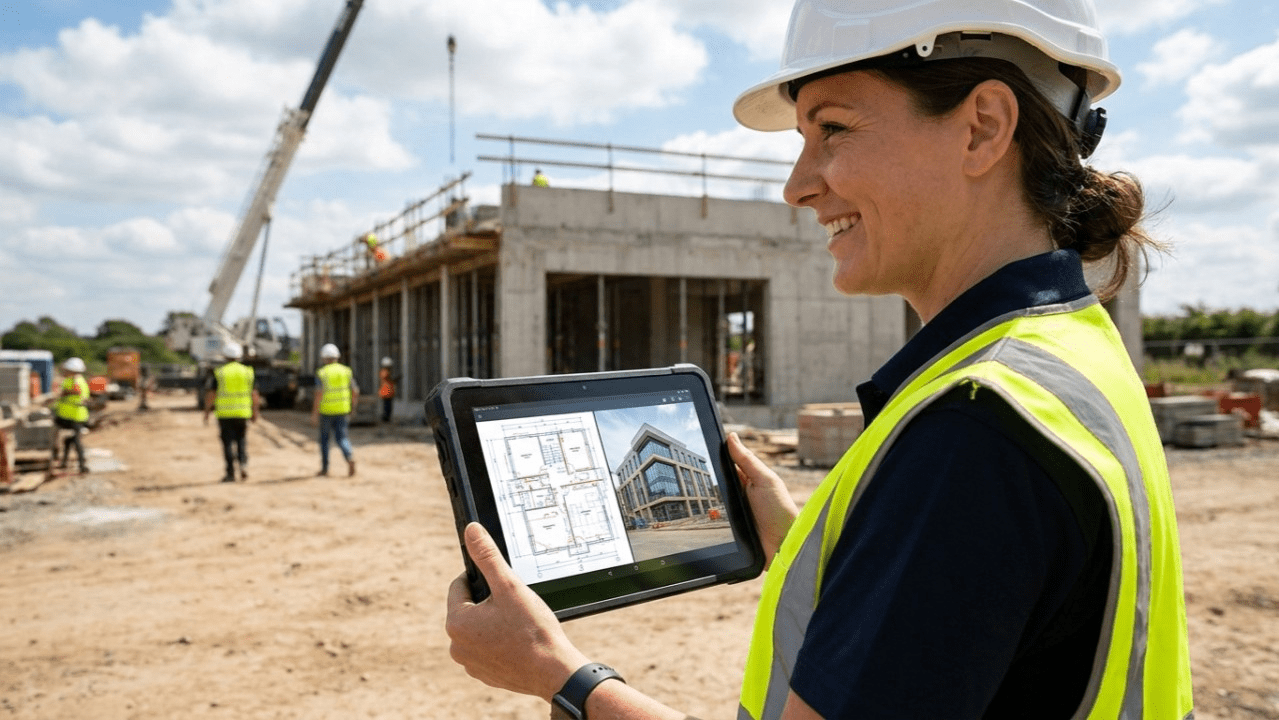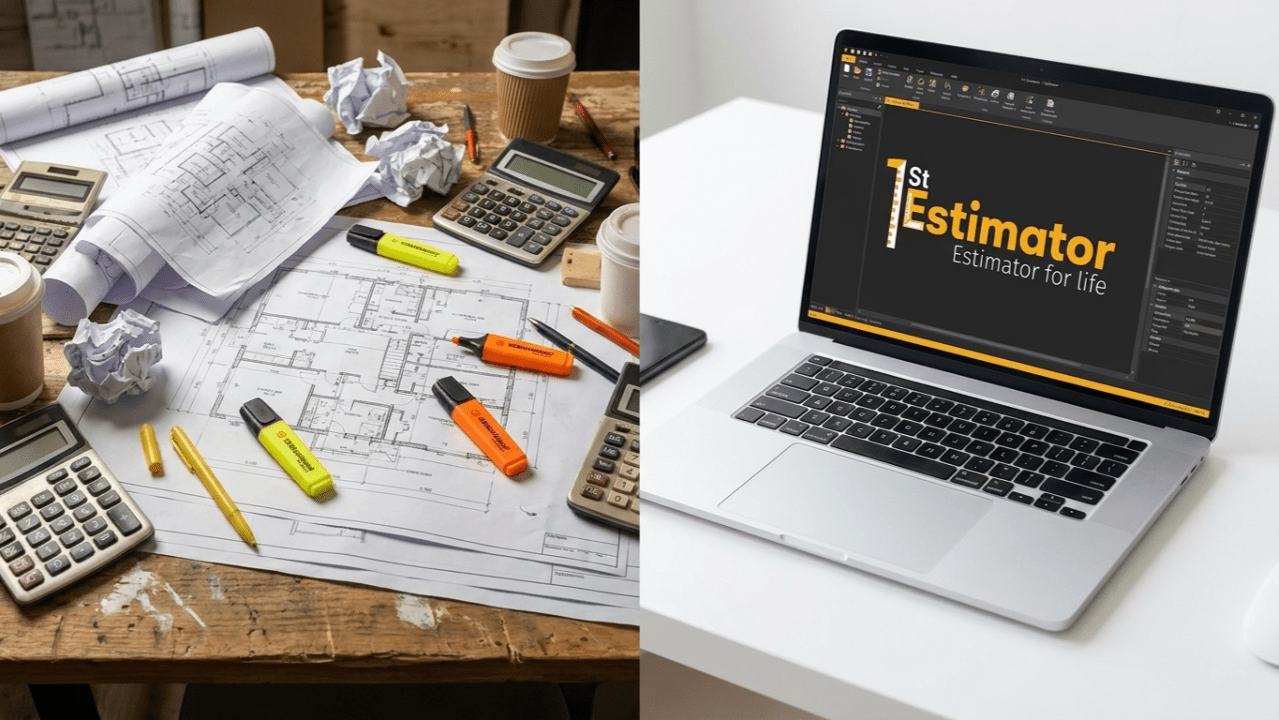

If you’ve ever pulled an all-nighter trying to finish a cost estimate before a bid deadline, you know the real problem in construction isn’t a lack of work, but a lack of time. The volume of bids keeps increasing. Estimating teams stay the same size. And somewhere in between, accuracy starts to falter.
That’s why outsourcing construction cost estimating has quietly become one of the most talked-about strategies among general contractors, subcontractors, developers, architects, and even owners managing their own projects. It’s not a passing fad; it’s a response to a very real capacity problem.
This guide explains everything you need to know: what outsourcing cost estimating really means, why so many construction professionals are doing it, how to choose the right partner, and what to expect from the process so you can decide if it’s the right move for your business.
What is Construction Estimating Outsourcing?
Construction estimating outsourcing involves delegating the cost estimation and/or quantity takeoff process for a project to a specialized external resource, such as an estimating firm or a freelance professional, instead of relying entirely on in-house staff.
This can vary depending on your needs:
- Full outsourcing: The estimating firm handles the entire process, from reviewing plans to obtaining final figures ready for bidding.
- Task outsourcing: Only a portion of the work, such as material takeoff, is outsourced, while your team handles pricing and bidding strategy.
- Peak workload support: The core estimating process is kept in-house, but external support is brought in during periods of higher workload.
Advances in cloud-based drafting rooms, BIM modeling, and digital quantity takeoff software have made remote quantity takeoff services faster and more accurate than ever before, largely explaining why outsourcing has become so practical in recent years.
Why are construction companies outsourcing budgeting right now?

The shift to outsourcing didn’t happen overnight. Several factors are driving it simultaneously:
1. Shortage of qualified budgeters. It’s difficult to find experienced budgeters, and even harder to retain them, especially for small firms competing with large ones for talent.
2. Rising software and training costs. Budgeting software licenses, ongoing training, and maintaining up-to-date cost databases represent a significant expense; outsourcing shifts this cost to a project-based model.
3. Faster turnaround. Tender deadlines are becoming increasingly tight. Outsourced budgeting teams are designed for speed, typically delivering bid-ready figures within 24-48 hours.
4. Real cost savings. An industry study has shown that construction companies in the US achieve cost savings of 20-30% by outsourcing their budgets, especially considering the already tight margins in competitive bidding.
5. Scalability. When the volume of bids increases, the outsourced partners adapt to the situation. You don’t have to be forced to hire (and then lay off) staff to meet seasonal demand.
Who Should Consider Outsourcing Estimating?
Outsourcing isn’t just for one type of business. Here are some typical benefits for different groups:
- General Contractors: Manage excess bids across multiple trades without overburdening your in-house estimating team.
- Subcontractors and Tradespeople: Get fast, trade-specific estimates (electrical, HVAC, drywall, masonry, concrete, etc.) without needing a full-time estimator.
- Real Estate Developers: Get reliable initial estimates before committing to design fees on a potentially unprofitable project.
- Architects and Designers: Keep designs within budget with conceptual estimates during the initial planning phase, before final drawings are completed.
- Self-Builders: Get accurate, professional figures for financing, permits, or bidding without needing in-house estimating experts.
Types of Construction Cost Estimating Services You Can Outsource
Outsourcing does not imply a radical decision. Most companies offer a variety of services, so you can choose the ones that best suit the stage of your project and your budget:
- Preliminary/conceptual estimates: initial estimates based on preliminary sketches or plans, useful for making feasibility decisions.
- Complete estimate for tenders: complete measurements in CSI MasterFormat format with prices based on current material and labor cost data, ready for presentation.
- Material measurements (only if you already have your own pricing process): You can outsource material measurements and handle the rest in-house.
- Change Order Estimation: Accurate pricing for scope changes during the project.
- CPM Scheduling: Some estimating partners also provide project schedules that fit their estimating data.
- Specialty/Restoration Estimating: Including Xactimate-based estimates for insurance, remodeling or restoration work.
In-House vs. Outsourced Estimating: A Side-by-Side Look

Both approaches have their place. Here’s an honest comparison:

If your company handles a consistently high volume of bids and highly confidential cost data, in-house management could still be a good option. However, for most general contractors, subcontractors, and developers, a hybrid or fully outsourced model offers greater flexibility with lower overhead costs.
How to Choose the Right Estimating Partner
Not all third-party estimating providers are created equal. Before hiring their services, check the following:
1. Industry and Project Type Specialization: Do they have proven experience in your specific type of work (residential, commercial, industrial, restoration, etc.)?
2. Software and Tools Used: Look for familiarity with industry-standard platforms such as RSMeans Cost Data, Xactimate, and BIM/CAD integration.
3. Delivery Time Guarantees: Request specific delivery times (many reputable companies deliver within 8 to 48 hours, depending on the project scope).
4. Certifications and Credentials: Verify the relevant professional certifications of your estimators.
5. Communication Process: How will they share plans, ask questions, and request revisions? Clear communication is essential.
6. Reviews, References, and Portfolio: Request case studies or references for projects similar to yours.
7. Revision Policy: Understand what happens if adjustments are needed before submitting your budget.
Pay attention to red flags such as inaccurate pricing, a lack of sample estimates, unclear data ownership, or a refusal to provide references.
Independent Estimator vs. Estimating Firm: Which is the Right Fit for Your Business?
One of the most important decisions you’ll make is whether to hire an independent estimator or work with an established external estimating firm. Here’s a comparison:
Independent Estimator
- Lower cost, greater flexibility for one-off projects
- Often faster onboarding for a single job
- Risk: Limited backup in case of unavailability or workload overload
- Ideal for: Small projects, occasional spikes in demand, tight budgets
Estimating Firm
- Built-in quality control and review processes
- Team-based coverage, eliminating a single point of failure
- Generally offers a wider range of services (measurements, full quotes, planning)
- Ideal for: Consistent volume of bids, larger or more complex projects, businesses that require reliability
There is no single “right” answer; It depends on the size of your project, how often you need estimation support, and your risk tolerance regarding the reliability of delivery times.
The Outsourcing Process: What to Expect Step by Step

Wondering what really happens once you decide to outsource? Here’s a typical workflow:
1. Define the scope. Decide if you need a full quote, a measurement service, or ongoing support for unexpected issues.
2. Share your plans. Upload your plans and specifications through the provider’s platform or their secure file-sharing system. This is where remote measurement services shine, as location is no longer an obstacle.
3. Set the timeline. Confirm delivery deadlines in advance to avoid surprises before your bid deadline.
4. Receive your quote or measurement package. Most providers deliver a detailed, itemized breakdown ready for your review.
5. Request revisions if needed. A good partner will make adjustments quickly and smoothly.
6. Present your bid with confidence. With accurate figures in hand, you can focus on strategy instead of spreadsheets.
Common Concerns About Outsourcing Budgeting (Answers)
It’s normal to have doubts before outsourcing something as important as financial data. Here are the most common concerns and the reality behind them:
* “Will I lose control over accuracy?” A trusted provider incorporates specific reviews and quality controls to ensure accuracy, often catching errors that an overburdened in-house team might miss.
* “Is my project data secure?” Established companies use secure file sharing and non-disclosure agreements as standard practice. Always confirm this before sharing confidential plans.
* “Will I really save money by considering constant communication?” When combined with a clear scope and seamless communication from the outset, most companies still realize significant savings on budgeting costs compared to the total cost of in-house staff and software.
In short: Real savings, time saved
The numbers speak for themselves. Companies that outsource budget preparation typically report:
- 20-30% reduction in total budget costs
- Budgets delivered in hours instead of weeks
- More bids submitted without increasing staff
- Fewer errors thanks to specialized and dedicated review processes
For a general contractor managing multiple trades, a developer assessing project feasibility, or a homeowner building their own house and seeking accurate figures for financing, this combination of speed, accuracy, and cost savings is hard to ignore.
How 1st Estimator Can Help You

At 1st Estimator, we’ve designed our process to address precisely the problems described in this guide: slow turnaround times, inconsistencies in accuracy, and the high cost of maintaining an in-house estimating team. Whether you need comprehensive bid estimates, trade-specific material measurements, or ongoing support during periods of high workload, our team is ready to provide you with reliable, bid-ready figures, meeting your deadlines.
Ready to get started?
Outsourcing your construction cost estimates doesn’t mean relinquishing control; it means reclaiming your time and delivering more accurate and competitive quotes. To see what it would look like for your next project, contact 1st Estimator for a sample quote and discover the difference a dedicated partner can make.
Frequently Asked Questions
How much does it cost to outsource construction cost estimating?
Pricing varies depending on the size and scope of the project, but most companies see net savings of 20% to 30% compared to maintaining full in-house estimating capabilities.
How long does it take to get a quote?
Turnaround time is typically 8 to 48 hours, depending on the complexity of the project and the provider’s workload.
Can I outsource a single-trade estimate?
Yes. Many providers, including 1st Estimator, allow you to outsource a single-trade materials estimate, rather than the entire estimating process.
Is outsourcing estimating worthwhile for small contractors or self-builders?
Often, yes. It provides access to professional-level software and accuracy without the added costs of hiring or training an in-house estimator.
What software do external estimators typically use?
The most common tools include RSMeans cost data, Xactimate, and measurement platforms integrated with BIM/CAD, depending on the type of project.